
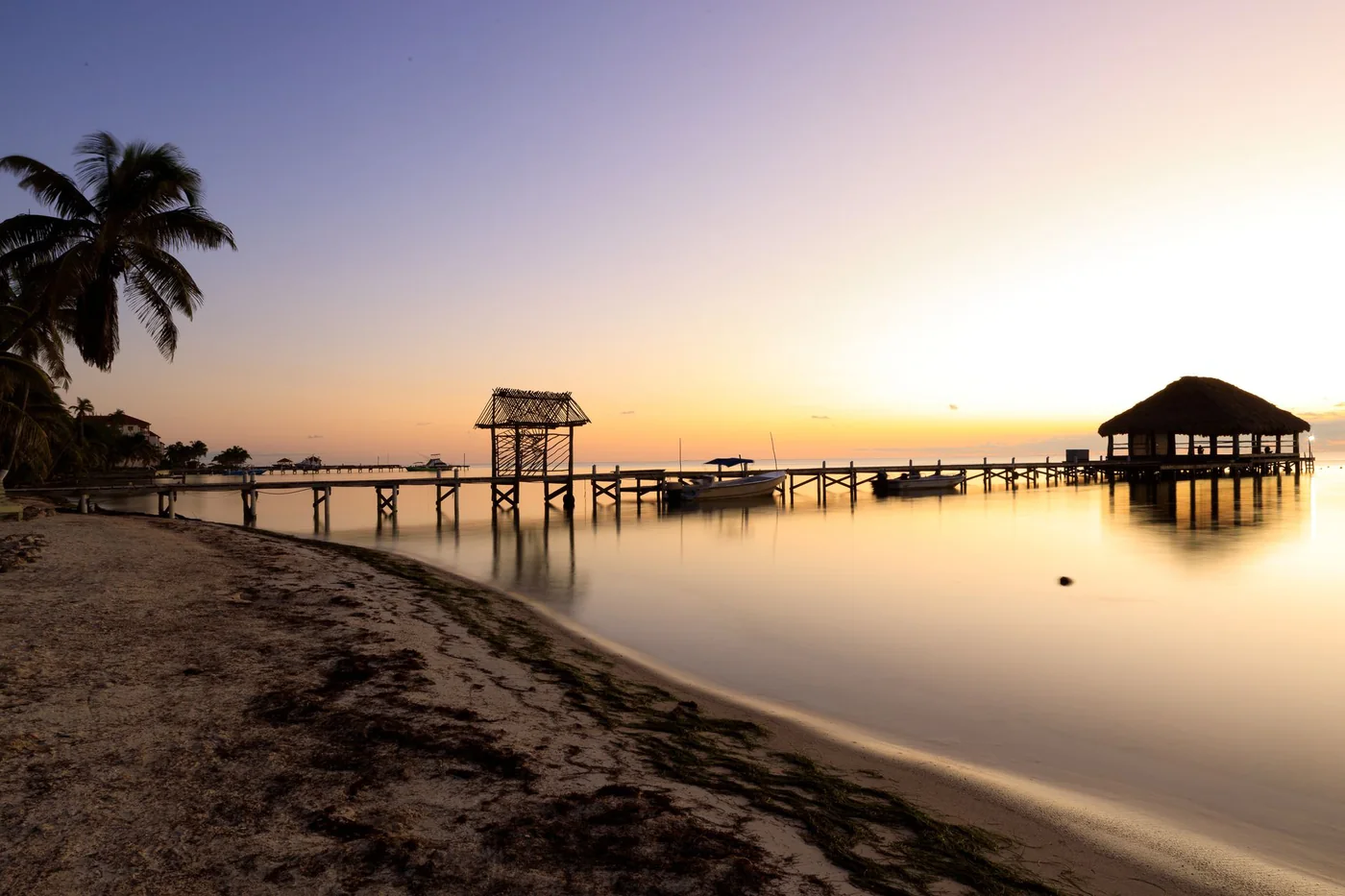
Belize packs dramatic rainfall shifts into a country smaller than Massachusetts. Step off a bus in Corozal Town near the Mexican border and you stand in a breezy coastal pocket averaging around 55 inches (1,400 mm) of rain per year. Drive 200 miles south to Punta Gorda in Toledo District and annual rainfall tops 150 inches (3,800 mm), feeding thick rainforest canopies and fast-rising rivers.
Most visitors plan around one generic “rainy season” label. Honestly, that single label misleads people. Weather behaves differently across the dry northern plains, the exposed reef cayes, and the steep Maya Mountains down south. Even in September, when southern tracks turn to mud, Corozal Bay often holds bright skies into mid-afternoon.
Belize Climate & Wildlife Snapshot
- Dry Season Window: Late November through May brings daytime highs of 78°F to 86°F (25°C to 30°C) alongside peak Jabiru stork sightings in Northern Belize.
- Regional Rainfall Split: Corozal averages roughly 55 inches of rain annually, central Belize City sits near 78 inches, and Punta Gorda tops 150+ inches.
- Hurricane Season: Atlantic storm season spans June 1 to November 30, with historical landfalls concentrated between August and October.
- Sargassum Timing: Brown algae washes onto east-facing beaches from April through August or September, leaving Chetumal Bay and inland rivers untouched.
- Seafood Closures: Spiny lobster runs open July 1 to February 28/29 (closed March 1 to June 30); queen conch closes July 1 to September 30 or earlier if quotas fill.
Northern Belize vs. the Cayes vs. Southern Belize
Why does rain fall so unevenly across such a short coastline? Geography drives the gap. Northern Belize rests on flat karst limestone linked to the Yucatán Peninsula, so moist trade winds glide across open plains without hitting mountain ridges.
Head south past Belmopan and the Maya Mountains rise behind the coast. Warm Caribbean air strikes those slopes, cools fast, and dumps heavy tropical rain over Stann Creek and Toledo Districts. According to the National Meteorological Service of Belize, wet weather also marches north in clear stages. Rains open over Toledo in early May, reach Orange Walk by late May, and finally settle over Corozal in early June.
Meanwhile, offshore islands such as Ambergris Caye and Caye Caulker face constant northeast trade winds. Squalls cross the reef fast. A sharp 20-minute downpour passes, then bright sun returns. Still, winter cold fronts known locally as “northers” matter more than rain on the islands: between December and February, two or three days of brisk north winds can turn water taxi crossings choppy.
Month-by-Month Belize Weather Matrix
Coastal highs barely budge year-round, staying between 75°F and 90°F (24°C to 32°C). What shifts each month is humidity, sea swell, bug density, and cave access.
| Month | Season | North (Corozal & Orange Walk) | Cayes (San Pedro & Caulker) | South (Placencia & Toledo) | Wildlife & Sea Rules |
|---|---|---|---|---|---|
| Jan | Dry | Mild, breezy; occasional cool norther front | Sunny trade winds; choppy outer swells | Drier than fall with passing showers | Jabiru storks at Crooked Tree; lobster open |
| Feb | Dry | Very dry (under 2 in); crisp mornings | Clear water at Hol Chan & Blue Hole | Driest stretch starts; warm afternoons | Lobster closes Feb 28/29; peak rates |
| Mar | Dry | Driest month; dusty backroads | Calm seas and bright sun | Clear Cockscomb & Victoria Peak trails | Lobster closed; whale sharks begin |
| Apr | Late Dry | Hot and dry (85°F to 92°F) | Early sargassum on east shores | Warm dry afternoons before May rains | Easter crowds; whale sharks near full moon |
| May | Shoulder | Warmest month; late humidity builds | Sargassum builds; calmer hotel rates | Early rains hit Toledo first | Crooked Tree Cashew Fest; conch watch |
| Jun | Green | Rainy season begins; late showers | Brief squalls; east-dock sargassum | Wet afternoons; rising mountain creeks | Hurricane season starts June 1; lobster closed |
| Jul | Green | Moderate rain; brief dry dip | Warm seas; Lobsterfest July 1 | Very wet in Toledo; daily rain | Lobster opens July 1; conch closes July 1 |
| Aug | Green | Humid mornings; afternoon storms | Sargassum peaks; active storm watch | Heavy rain; cave flood pauses | Peak storm watch window starts |
| Sep | Green | Wettest north month; lowest rates | Quietest month; sargassum eases late | Torrential storms; muddy roads | Peak storm risk; Independence Day Sept 21 |
| Oct | Green | Heavy rain peaks early to mid-month | Variable winds; conch reopens Oct 1 | Extremely wet; fewer river trips | Watch storm advisories before ferries |
| Nov | Shoulder | Rains taper; cooler evenings | Seas calm; early winter arrivals | Rain eases; Garifuna Day Nov 19 | Conch & lobster open; strong hotel value |
| Dec | Dry | Crisp nights (76°F to 83°F) | High-season buzz; brief north winds | Drying trails by mid-month | Peak rates post-Dec 15; clear Lamanai runs |
Check our Belize itineraries before booking flights so your route fits the calendar. Pairing northern ruins with Placencia in southern Belize runs cleanly from February through April. Late-summer visitors do better anchoring near Corozal or Cayo with loose day plans.
Dry Season vs. Green Season: Choosing Your Window
Late November through May dominates Belize tourism for obvious reasons. Backroads stay firm. Insects thin out along windy shores, and wildlife gathers around shrinking wetlands. At Crooked Tree Wildlife Sanctuary (BZ$10.00 / $5.00 USD / ~€4.60 entry), dropping lagoon levels concentrate fish and pull Jabiru storks, wood storks, and roseate spoonbills right up to the causeway. Rural tracks out to Cerros and Shipstern stay passable in standard sedans through March and April.
Reliability costs extra. Resort rooms on Ambergris Caye and Placencia climb 30% to 50% between mid-December and Easter, and popular boats fill early.
June through November, known locally as the “Green Season,” flips that equation. Rain seldom falls all day unless a named tropical system stalls offshore. Mornings open bright and humid, clouds stack after lunch, and a warm squall cools streets by 4:00 PM. Lodging rates drop sharply, Maya plazas stay quiet, and rain-fed canopies along the New River Lagoon hum with howler monkeys.
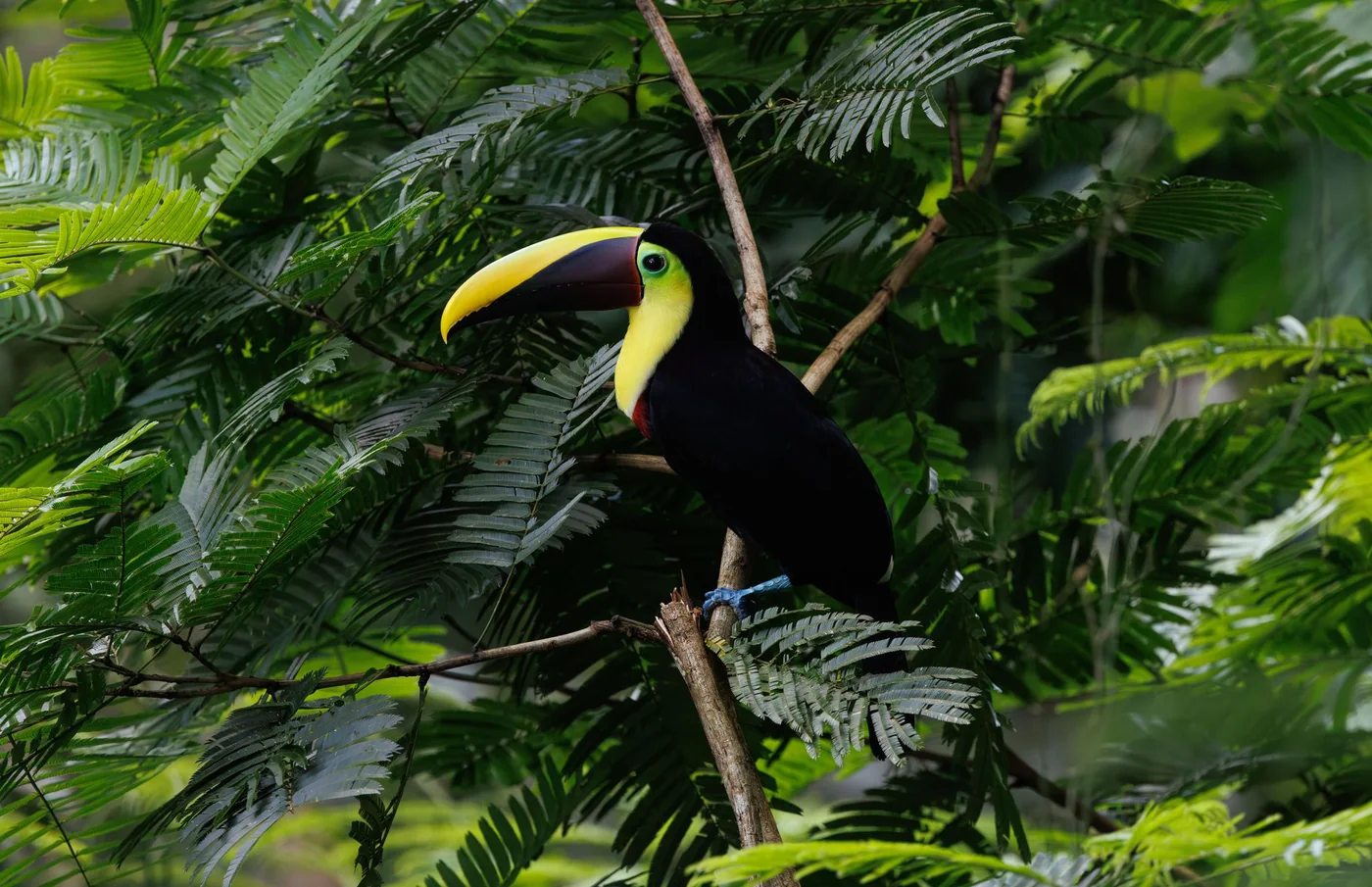
Still, wet months bring sudden closures you must plan around. Heavy rain in Cayo swells underground rivers inside Actun Tunichil Muknal (ATM Cave, BZ$60.00 / $30.00 USD / ~€27.60 permit; guided trips $100 to $220+ USD / ~€92 to €202+) and Nohoch Che’en (BZ$20.00 / $10.00 USD / ~€9.20). When water surges fast, the Institute of Archaeology (NICH) locks cave entry immediately without notice. Give yourself two or three buffer mornings in San Ignacio during rainy months instead of risking one non-refundable cave booking.
Atlantic Hurricane Season & Storm Prep (June to November)
Atlantic hurricane season runs officially from June 1 through November 30. Early storms form occasionally in June or July, yet historical landfalls in Belize cluster tightly between August and October.
Northern Belize carries direct memory of how severe late-September storms get. On September 27 and 28, 1955, Category 5 Hurricane Janet crossed Chetumal Bay and destroyed nearly every timber structure in Corozal Town, prompting officials to rebuild the town on its current street grid. Six years later, in October 1961, Hurricane Hattie battered Belize City and carved “The Split” straight through Caye Caulker.
Must you skip September or October completely? Not necessarily. Modern satellites deliver five to seven days of clear warning before a storm nears the western Caribbean. Mainland towns keep concrete shelters and backup generators ready. Even so, low-lying cayes evacuate ahead of major storms, halting water taxis and grounding Tropic Air and Maya Island Air Cessna flights when crosswinds spike.
Smart green-season trips follow three rules:
- Pick 24-hour refundable tours: Book ruins, river safaris, and snorkel trips with free cancellation up to 24 hours prior so weather halts never strand cash.
- Buy named-storm insurance: Verify your policy covers ferry suspensions, missed domestic hops, and mandatory island evacuations before flying.
- Hold a mainland Plan B: If offshore squalls stall boats to San Pedro, pivot inland along the Philip Goldson Highway toward Orange Walk, Lamanai, or Corozal’s protected bayfront.
Sargassum Seaweed Patterns: Cayes vs. Northern Belize
Floating brown sargassum algae has turned into a regular seasonal factor along Belize’s reef coast. Driven by Atlantic currents, mats wash onto east-facing beaches, including Ambergris Caye, Caye Caulker, Hopkins, and Placencia, most heavily from April through August or September.
On bad weeks, thick ribbons pile against timber piers and smell sharp under afternoon sun. Hotel crews rake sand early every morning, and buildup varies cove by cove depending on wind angle. Outer barrier-reef snorkeling stays clear: once boats cross to the reef crest, Hol Chan and Shark Ray Alley keep bright turquoise water.
Northern Belize gives travelers a reliable escape hatch. Chetumal Bay along Corozal Town, Consejo Shores, and Sarteneja sits tucked behind Ambergris Caye and Mexico’s Xcalak peninsula, blocking open-ocean sargassum drift. Inland rivers like the New River and New River Lagoon stay completely seaweed-free year-round.
Spiny Lobster, Queen Conch & Seasonal Reef Rules
The Belize Fisheries Department enforces strict closed seasons to protect commercial reef stocks. Check these dates before ordering seafood at dockside grills:
- Caribbean Spiny Lobster (Panulirus argus): Open Season runs July 1 through February 28 (or February 29 in leap years), launching with Lobsterfest weekends in San Pedro, Caye Caulker, and Placencia. Closed Season runs March 1 through June 30, when catching, buying, selling, or possessing lobster is illegal nationwide.
- Queen Conch (Strombus gigas): Standard Open Season runs October 1 through June 30, while Closed Season runs July 1 through September 30. Watch out in late spring: Belize caps annual conch landings under a national quota, so Fisheries officers sometimes close the season early before June 30.
- Whale Sharks at Gladden Spit: Near Placencia, migratory whale sharks gather off Gladden Spit Marine Reserve around March through June full moons, matching calm late-dry seas.
Mosquitoes, Sandflies, Spiders & Jungle Lodge Reality
Ask travelers returning from Belize what bothered them most outdoors and nobody says jaguars. Everybody complains about no-see-ums.
These tiny biting sandflies emerge at dawn and dusk along beaches, mangroves, and still lagoons whenever trade winds drop. You barely feel the bite right away. Hours later, itchy red welts flare up and linger for days. Standard 20% to 30% DEET or Picaridin spray repels mosquitoes reliably around damp ruins like Lamanai and Cockscomb Basin, where Dengue risk ticks upward during wet months. Against sandflies, though, locals rub coconut oil or baby oil over ankles and calves so gnats stick on contact.
Inside jungle lodges, three calm habits prevent minor surprises:
- Shake out shoes every morning: Small scorpions crawl into dark boots or folded towels overnight. Tap each shoe heel-first before putting it on; a sting hurts like a sharp wasp bite, though it rarely poses severe danger outside allergic reactions.
- Latch screens and tuck bed nets: Open-air cabanas rely on mesh screens instead of glass. Tuck your mosquito net securely under the mattress before lights out, and carry a headlamp on unlit garden paths at night.
- Leave trail spiders alone: Morning walkers along jungle paths often spot large golden silk orb-weavers hanging between palms. They look dramatic at eye level, yet they are completely harmless; guides simply sweep a stick ahead to shift webs aside. Docile Belizean tarantulas occasionally cross gravel paths after rain, so admire them from a few paces back rather than handling them.
For clinic contacts, bottled water tips, and emergency lines (911 on a local Belize SIM, or Tourism Police at +501 612-9764), bookmark our Belize travel essentials guide before flying.
Seasonal Mistakes That Trip Up Belize Travelers
- Ordering Lobster Between March 1 and June 30: Never buy lobster from beach vendors during closed season; possession carries fines and harms reef breeding stocks.
- Skipping Shoe Checks in Jungle Cabanas: Sliding bare feet into boots left on a porch floor invites a painful morning scorpion sting.
- Booking One Non-Refundable ATM Cave Day in September: Flash floods close caves without notice; build buffer days or pick 24-hour refundable tours.
- Walking Bare-Ankled at Sunset Without Oil: DEET alone misses coastal sandflies; combine spray with light pants or oil barrier protection at dusk.
- Ignoring Winter Northers: Even January cold fronts trigger two or three days of choppy ferry crossings to San Pedro and Caye Caulker.
Smart Timing by Trip Style
Build your dates around priority stops rather than chasing one mythical perfect week. Birders visiting Crooked Tree and drivers exploring backroads near Corozal get crisp skies from January through April. Divers chasing calm water and fresh lobster often pick November or early December right before holiday hotel rates jump. Even in August or September, pairing Northern Belize ruins with flexible boat tickets works smoothly around afternoon radar. Compare routes across our home portal and Belize tours directory to match your schedule with the trade winds.